

Introduction
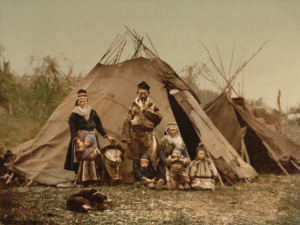
Language is one of the most important elements of culture. It allows people to communicate thoughts, emotions, and ideas. Through language, stories, history, traditions, and knowledge are passed down generations. Each language reflects the identity, values, and heritage of a community. Preserving language ensures that culture survives and thrives. Language builds social bonds, emotional connections, and community pride. Losing a language often means losing parts of cultural heritage. By understanding languages, people can better appreciate cultural diversity and history.
Role of Language in Culture
Language connects people and allows the transfer of cultural knowledge. It helps preserve traditions, rituals, and folklore. Through storytelling and education, language transmits values and beliefs. It strengthens social relationships and community bonds. Language enables communication between generations, ensuring continuity of culture. Without language, traditions and customs cannot survive effectively. It provides structure to cultural expression and identity. Language helps people understand their roots and promotes cultural pride and belonging.
Language and Identity
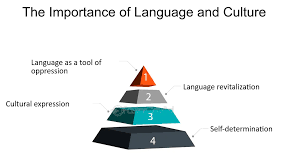
Language is a key marker of cultural identity. It signals belonging and creates emotional connections within communities. Speaking a language preserves heritage and strengthens cultural pride. Loss of language weakens identity and erodes cultural knowledge. Language allows individuals to express themselves within the context of their culture. It carries unique values, traditions, and worldview. By maintaining native languages, communities retain their heritage. Language plays a vital role in shaping cultural understanding and self-awareness.
Language Diversity
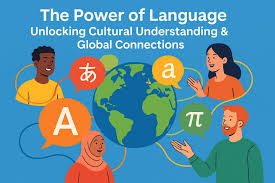
Thousands of languages exist worldwide, each representing a unique culture. Language diversity enriches humanity and promotes global understanding. Preserving multiple languages ensures that cultural traditions survive. Exposure to diverse languages enhances learning, communication, and empathy. Languages reflect history, values, and social norms. Protecting language diversity protects human heritage. It fosters appreciation for creativity, expression, and cultural identity. Every language is a treasure contributing to the richness of the world.
Conclusion
Language is the soul of culture, carrying traditions, knowledge, and identity. Preserving languages is essential for cultural survival and understanding.
Call to Action
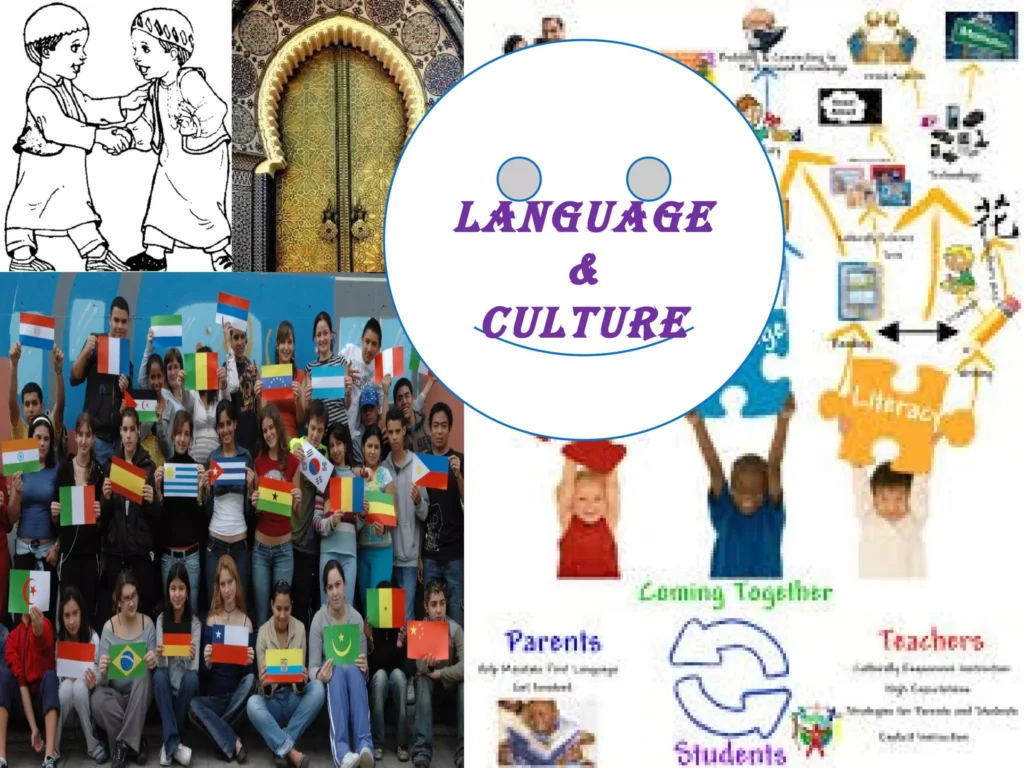
Explore cultural languages on Culture Journey.