Introduction
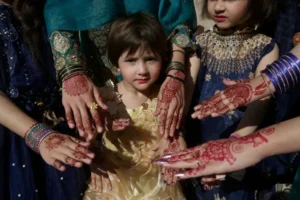
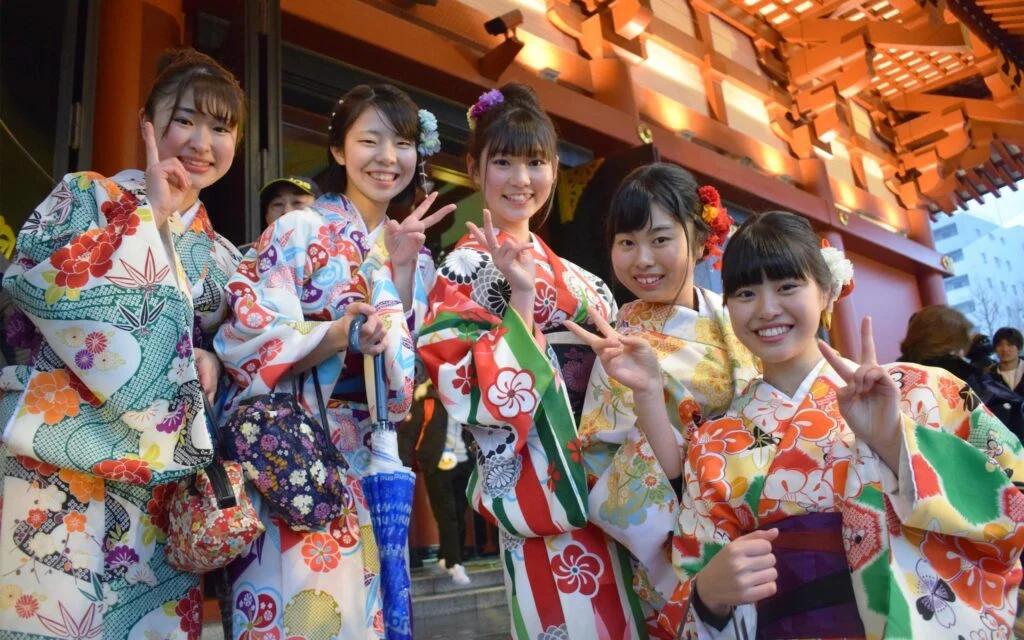
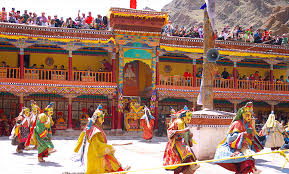
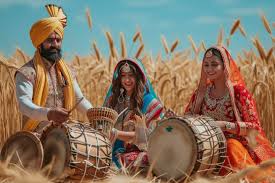
Colorful festivals are visual celebrations of culture, art, and tradition. They showcase local customs, music, dance, and community spirit. Bright costumes, decorations, and performances create a lively atmosphere. These festivals connect people to their heritage and bring joy to communities. They often celebrate historical events, seasonal changes, or religious beliefs. Participating in colorful festivals is an immersive way to experience culture. Festivals also promote tourism, learning, and cross-cultural appreciation. They reflect creativity, energy, and identity of societies.
Examples of Colorful Festivals
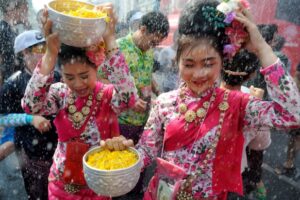
Holi in India celebrates spring with vibrant colors and playful activities. Carnival in Brazil features extravagant costumes and parades. Songkran in Thailand marks the New Year with water fights and celebrations. La Tomatina in Spain involves playful tomato fights in the streets. These festivals combine tradition, entertainment, and social bonding. Music, dance, and food are integral parts. Colorful festivals provide insight into local customs, values, and history. They strengthen cultural pride and community participation.
Significance of Colorful Festivals
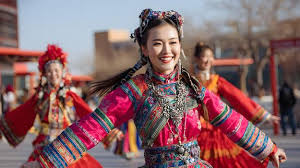
Colorful festivals unite communities through shared celebration. They preserve cultural identity and educate participants about traditions. Festivals encourage creativity in art, costume design, and performances. They promote tourism and economic activity. Participation strengthens social bonds and fosters joy, gratitude, and inclusion. Festivals highlight the uniqueness of each culture while encouraging mutual respect. They allow people to experience heritage in a fun, engaging, and memorable way. By celebrating colorfully, communities express history, spirituality, and creativity.
Conclusion
Colorful festivals are a lively reflection of cultural identity and creativity. They bring joy, unity, and pride to communities worldwide.
Call to Action
Explore colorful cultural festivals on Culture Journey.