Introduction
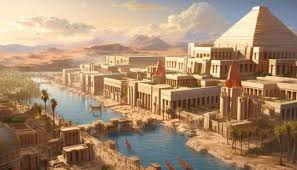
Ancient cities offer a window into the past, showcasing architecture, traditions, and lifestyle from centuries ago. They preserve cultural history through monuments, temples, streets, and local practices. Exploring ancient cities helps understand human civilization, governance, art, and social structures. Each city has stories of conquests, trade, and creativity embedded in its culture. Festivals, markets, and local customs reveal continuity of traditions. Ancient cities inspire learning, curiosity, and appreciation of cultural achievements. Visiting these cities connects people with ancestors and historical wisdom. They are living museums that keep culture alive.
Examples of Ancient Cities
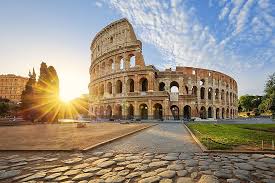
Cairo in Egypt preserves pharaonic and Islamic heritage. Rome in Italy showcases architecture, art, and history. Kyoto in Japan reflects traditional temples, rituals, and crafts. Marrakech in Morocco retains markets, architecture, and music. Angkor Wat in Cambodia preserves temples and religious traditions. Each city maintains a blend of past and present, connecting locals and travelers to cultural roots. Ancient cities reveal architecture, customs, cuisine, and arts that shaped society over centuries.

Cultural Significance of Ancient Cities
Ancient cities preserve heritage, traditions, and knowledge for future generations. They serve as educational resources for history, art, and architecture. Local festivals, crafts, and rituals keep traditions alive. Tourism and cultural exchange promote global understanding. Ancient cities reflect resilience, innovation, and creativity of past societies. Visiting them deepens cultural awareness and appreciation. These cities are symbols of identity, pride, and human achievement.
Conclusion
Ancient cities connect past, present, and future, showcasing rich cultural history. Exploring them provides insight into civilization, traditions, and human creativity.
Call to Action
Explore the world’s ancient cities and their cultural heritage on Culture Journey.