Introduction
Culture is the identity of a society, shaping how people live, think, and interact with others. It includes traditions, beliefs, language, food, clothing, customs, and everyday lifestyle. Culture influences behavior, decision-making, and social interaction. It gives meaning to society and provides a sense of belonging to individuals. Every community has its own unique cultural identity. By understanding culture, we learn to respect differences and value diversity. Culture connects people to their history and helps guide the future. It is the thread that ties generations together, preserving heritage and shared knowledge.
What Does Culture Mean?
Culture represents the way of life of a group of people. It shows how they speak, dress, eat, celebrate, and interact socially. Culture is learned from family, community, education, and environment, and is passed down from one generation to the next. Over time, it may evolve, but its core values and principles remain strong. Culture influences social norms, moral values, and communication styles. It provides structure to daily life and helps people understand their responsibilities. By observing culture, one can appreciate both individual and collective identity. It also helps societies maintain cohesion and continuity over time
Elements of Culture
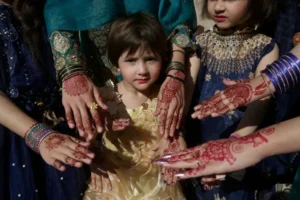
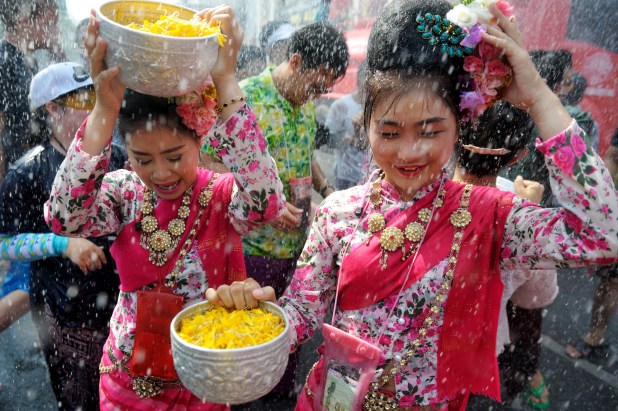
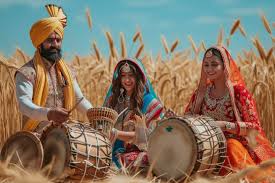
Culture is made up of several key elements that work together to form a society’s identity. Language allows communication and expression of ideas. Religion shapes beliefs and moral values. Food habits reflect history, geography, and tradition. Clothing represents climate, heritage, and style. Festivals and celebrations promote unity and joy within communities. Social rules and etiquette maintain order and respectful interaction. Together, these elements create a framework for living, guiding behavior, values, and customs. They make each culture unique and recognizable to the world.
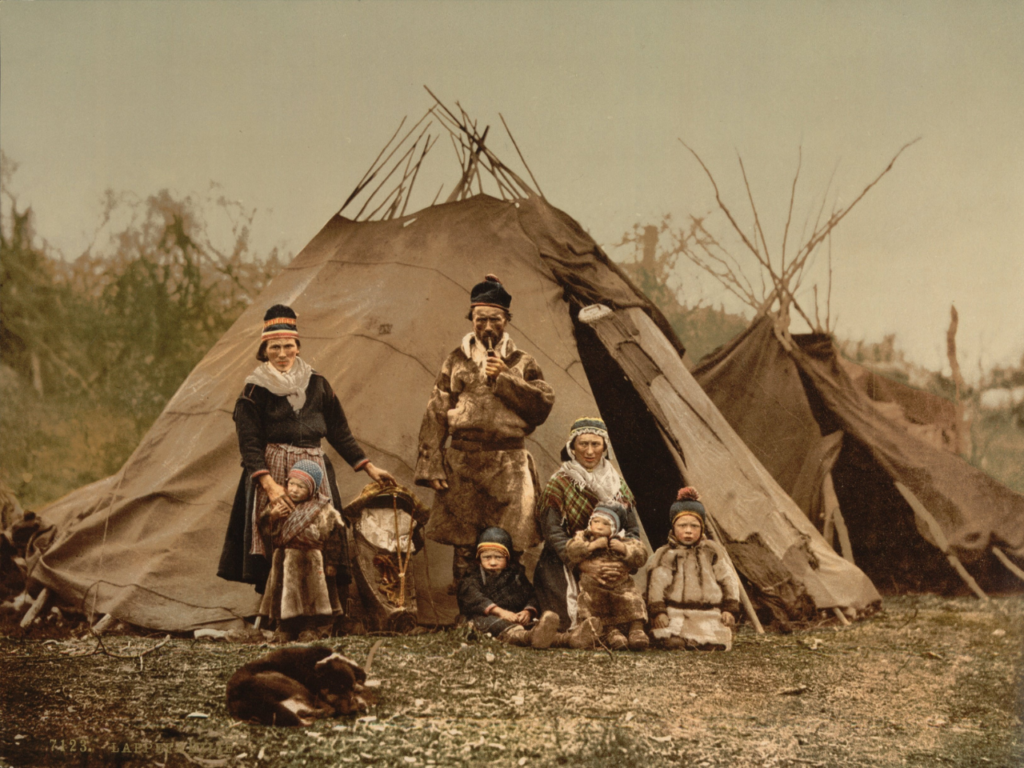
Examples of Culture Around the World
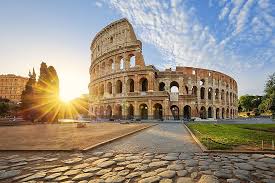
Around the world, cultures vary widely and beautifully. Asian cultures often emphasize family respect, traditions, and community living. European cultures tend to value personal freedom, individuality, and innovation. African cultures are rich in music, dance, art, and tribal traditions. Middle Eastern cultures prioritize hospitality, social ties, and respect for elders. Each culture has its own unique practices, festivals, and daily life routines. By exploring different cultures, we learn new perspectives and appreciate human diversity. Understanding global cultures fosters tolerance, learning, and peaceful coexistence among nat
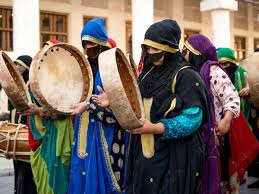
Why is Culture Important?
Culture connects individuals with their roots, history, and society. It gives meaning to social practices and teaches moral values such as honesty, respect, and responsibility. Culture strengthens family and community bonds, encouraging cooperation and understanding. Learning about other cultures increases tolerance and reduces prejudice and conflict. Preserving traditions ensures cultural heritage survives for future generations. A society without culture risks losing identity and cohesion. Culture allows societies to evolve while keeping their core principles intact. It guides behavior, values, and social interaction, making life structured and meaningful.
Conclusion
Culture links the past, present, and future, shaping identities and guiding societies. Understanding culture helps people respect differences, live harmoniously, and celebrate diversity. It preserves traditions, promotes unity, and fosters global understanding. By learning about culture, we build stronger communities and create a more peaceful world.
Call to Action
Explore more cultural stories and traditions on Culture Journey.